
1. Category role and shopper need.
Clarify why the category exists in the proposition, which shopper missions it supports, where choice matters, and what tradeoffs are acceptable.
2. Assortment architecture.
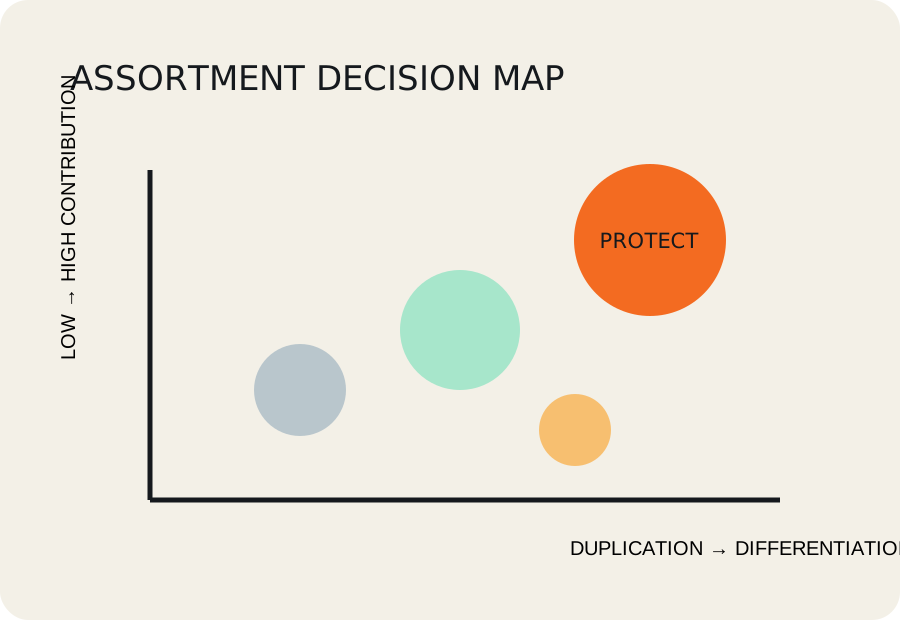
Review subcategories, price tiers, formats, pack sizes, brands, private label, variants, gaps, and duplication. Rationalization should protect useful choice rather than reducing count for its own sake.
3. Space and adjacency.
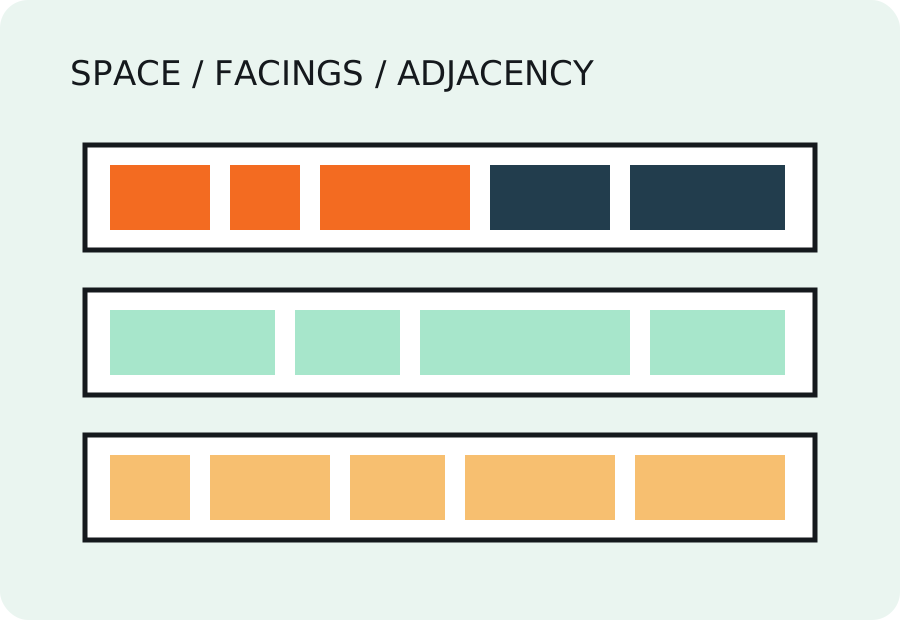
Translate category priorities into shelf flow, blocks, facings, adjacency, capacity, signage, and practical planogram rules.
4. Price architecture.
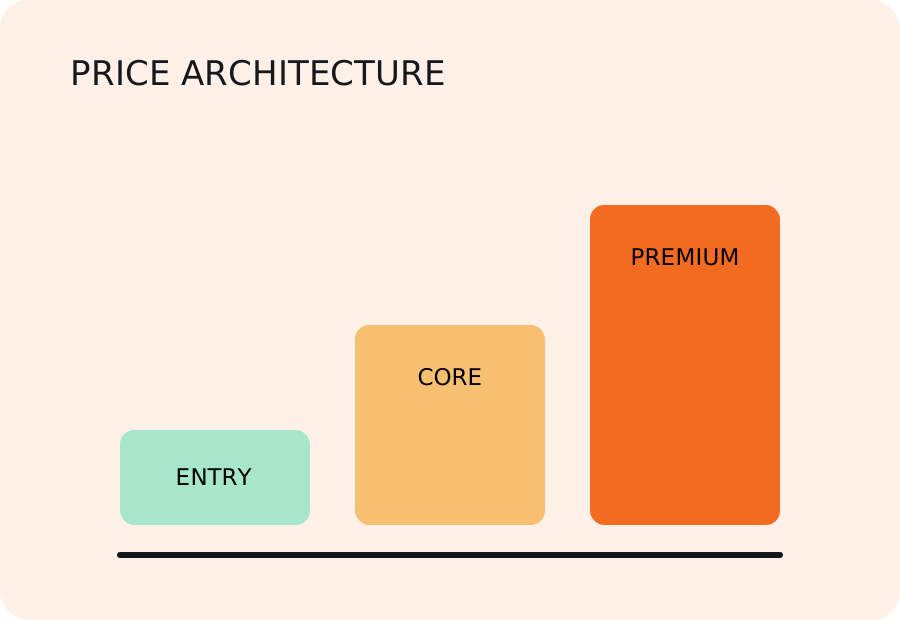
Examine opening, core, and premium tiers; pack-size relationships; visible price gaps; key reference items; and the relationship between regular and promotional prices.
5. Execution and review.
Define rollout priorities, exceptions, store constraints, data or observation checkpoints, and the questions that should be reviewed after implementation.